
Tin tức du lịch
Explore Battlefields and Heritage in Quang Tri Vietnam

Apr
Quang Tri Vietnam: Quang Tri, a province lying along Vietnam’s central coast, is more than just a destination—it is a living archive of the nation’s turbulent history. Once a fierce battleground during the Vietnam War, this land still carries the scars of conflict while simultaneously showcasing the resilience and vitality of its people. From the Demilitarized Zone (DMZ) and ancient citadels to sacred pagodas, memorial cemeteries, and traditional villages, every corner of Quang Tri tells a story of struggle, sacrifice, and rebirth. For travelers seeking to understand Vietnam beyond its natural beauty, Quang Tri offers an unparalleled journey into both history and culture, where the past and present meet in profound ways.
I. Walking Through Vietnam’s Divided Past- Quang Tri Vietnam
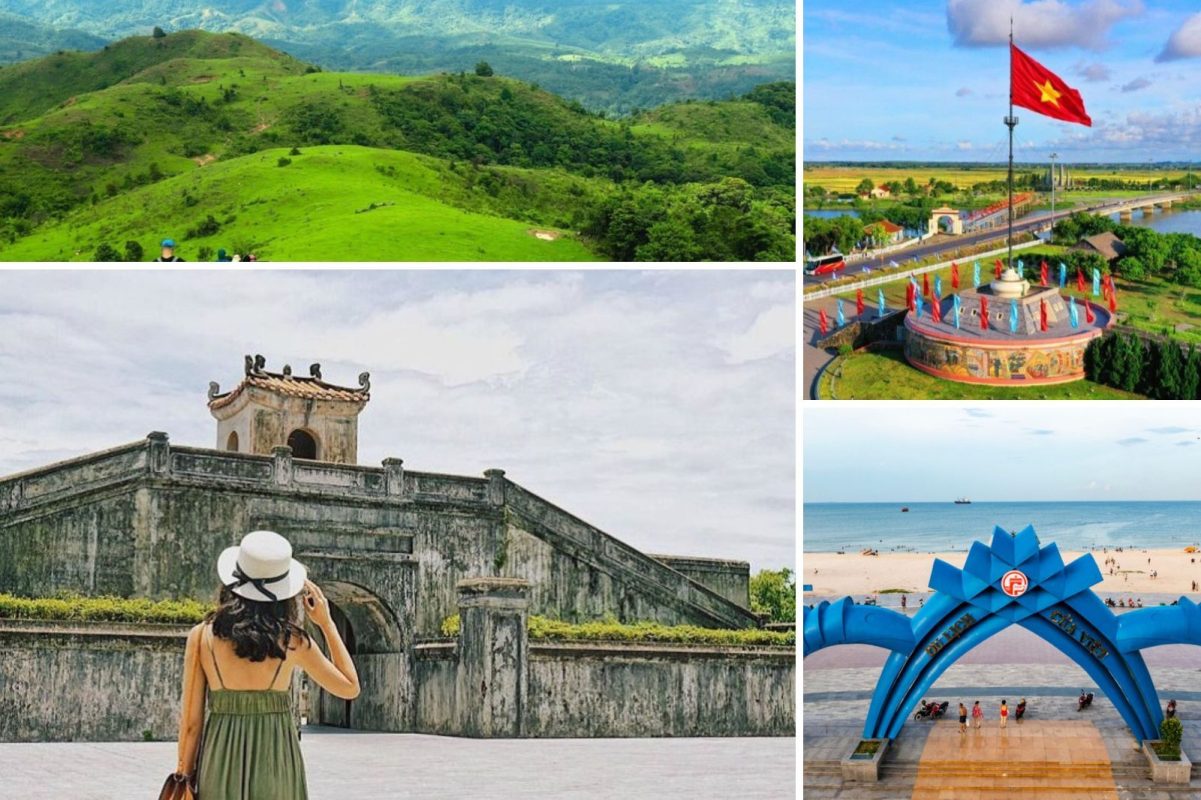
Quang Tri is home to some of the most poignant reminders of Vietnam’s divided history. The Demilitarized Zone (DMZ), once the line that separated North and South Vietnam, now stands in silence, dotted with monuments and memorials that remind visitors of decades of conflict. A journey here often begins at the Ben Hai River and Hien Luong Bridge, symbolic witnesses of both separation and eventual reunification. Walking across the bridge today is a powerful experience, as travelers imagine the lives once torn apart by an invisible border. For those seeking a deeper connection, guided battlefield trails allow visitors to retrace the steps of soldiers and civilians, following paths where historic conflicts once unfolded. These sites do not simply preserve the past; they offer a chance to reflect on the resilience of a nation and the value of peace hard-won.

Explore Battlefields and Heritage in Quang Tri Vietnam
II. Underground and On the Frontlines- Quang Tri Vietnam
Beneath the soil of Quang Tri lies one of the most remarkable testaments to human endurance—the Vinh Moc Tunnels. This vast underground network was not only a shelter but also a functioning community where families lived, children were born, and life continued despite constant bombardment. Exploring the dim passageways, visitors can sense the determination and resourcefulness of the people who turned hardship into survival. Above ground, sites like the Khe Sanh Combat Base reveal the scale of battles once fought on these frontlines. Today, rusted tanks, airstrips, and outdoor displays transform what was once a war zone into an open-air museum. Together, these sites invite travelers to step directly into history, experiencing both the struggle and the resilience that define Quang Tri’s past.
Explore Battlefields and Heritage in Quang Tri Vietnam
III. The Citadel of Resistance and Sacrifice- Quang Tri Vietnam
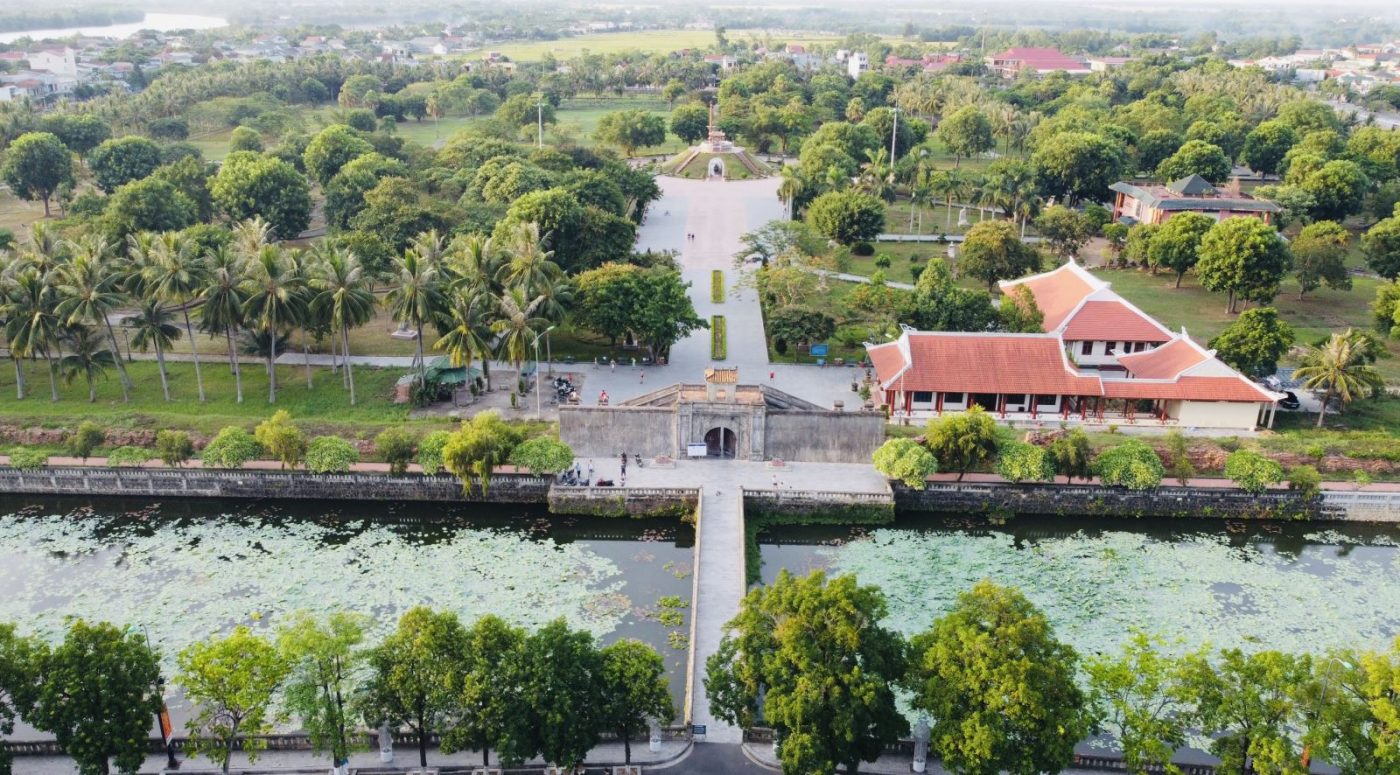
At the heart of Quang Tri town stands the Quang Tri Ancient Citadel, a site that has become one of the most powerful symbols of Vietnam’s modern history. Once a proud fortress, the citadel was reduced to rubble during one of the fiercest battles of the Vietnam War in 1972. Thousands of soldiers and civilians sacrificed their lives in its defense, turning this landmark into hallowed ground. Today, the citadel has been transformed into a solemn national memorial. Walking through its grounds, visitors encounter preserved walls, relics, and monuments that tell stories of both resilience and loss.
Beyond the ruins, the citadel remains a living cultural space. Each year, remembrance ceremonies are held to honor the fallen heroes, drawing veterans, families, and young generations together in shared reflection. These events are not only moments of mourning but also opportunities to reaffirm national pride and the pursuit of peace. The memory of the citadel is also kept alive through art, literature, and music. Local poets, songwriters, and historians have created works that immortalize the sacrifices made here, ensuring that the echoes of the past continue to resonate. For travelers, the Quang Tri Citadel offers more than a lesson in history—it is a place where sacrifice is remembered and cultural identity is strengthened.
IV. Sacred Spaces of Healing
Amidst the scars of war, Quang Tri also nurtures sacred spaces that offer healing and spiritual comfort. Scattered across the province are ancient pagodas and shrines that once provided refuge and hope for communities in times of uncertainty. These spiritual sanctuaries remain vibrant today, not only as places of worship but also as symbols of resilience, where people come to pray for peace and harmony.
Explore Battlefields and Heritage in Quang Tri Vietnam
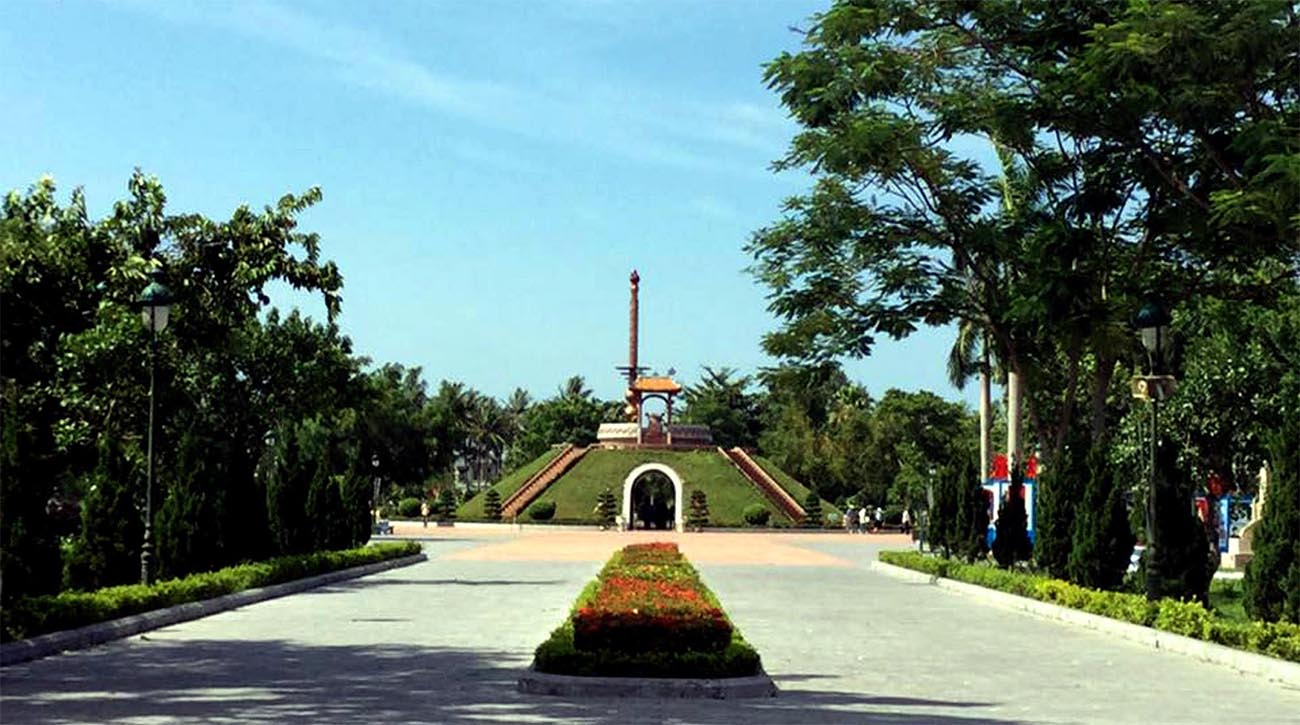
Just as significant are the memorial cemeteries, such as the vast Truong Son National Cemetery and the Road 9 National Cemetery. These sites are among the largest war cemeteries in Vietnam, where tens of thousands of soldiers rest. Walking along the rows of tombstones, visitors experience a deep sense of solemnity and respect. These cemeteries serve as collective spaces of mourning and reverence, reminding future generations of the immense cost of independence.
Equally moving are the rituals of remembrance that blend faith with cultural traditions. Families often bring offerings, incense, and flowers to pay homage to their ancestors, while local communities hold memorial events to honor those who sacrificed their lives. These practices reflect how deeply intertwined spirituality and history are in Quang Tri. For travelers, visiting these sacred spaces is not only about witnessing history but also about understanding the cultural and emotional ways people cope with the legacies of war, turning sites of sorrow into places of healing and reconciliation.
V. Living Culture Amidst Historical Shadows
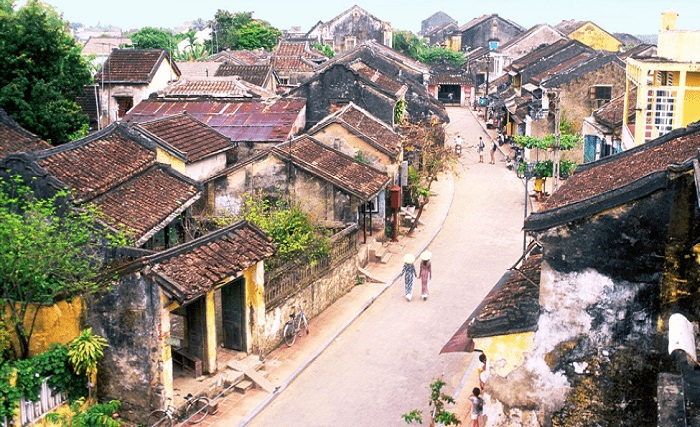
Despite decades of devastation, village life in Quang Tri endures with remarkable resilience. In the countryside, visitors can still see families tending rice paddies, casting fishing nets, and practicing crafts that have been handed down through generations. These daily rhythms are a testament to how communities rebuilt their lives after the war, drawing strength from traditions that survived even in the harshest times.
Explore Battlefields and Heritage in Quang Tri Vietnam
Cultural expressions in Quang Tri also carry the weight of history. Festivals and rituals often blend joyful folk traditions with solemn acts of remembrance. Villagers gather not only to celebrate harvests or ancestral spirits but also to commemorate those who lost their lives in battle. This unique blend of festivity and memory reflects how the people of Quang Tri have woven the scars of the past into the fabric of their living culture.
Even the local cuisine tells a story of endurance. “Cuisine of resilience” could be the best way to describe Quang Tri’s food culture, which was shaped by scarcity during wartime and later evolved into regional specialties cherished today. Simple yet flavorful dishes, often made from modest ingredients, reveal both creativity and determination. For travelers, tasting these foods is more than a culinary experience—it is a way of connecting with the history of survival and recovery that defines the province.
VI. From War to Peace: Modern Heritage Journeys- Quang Tri Vietnam
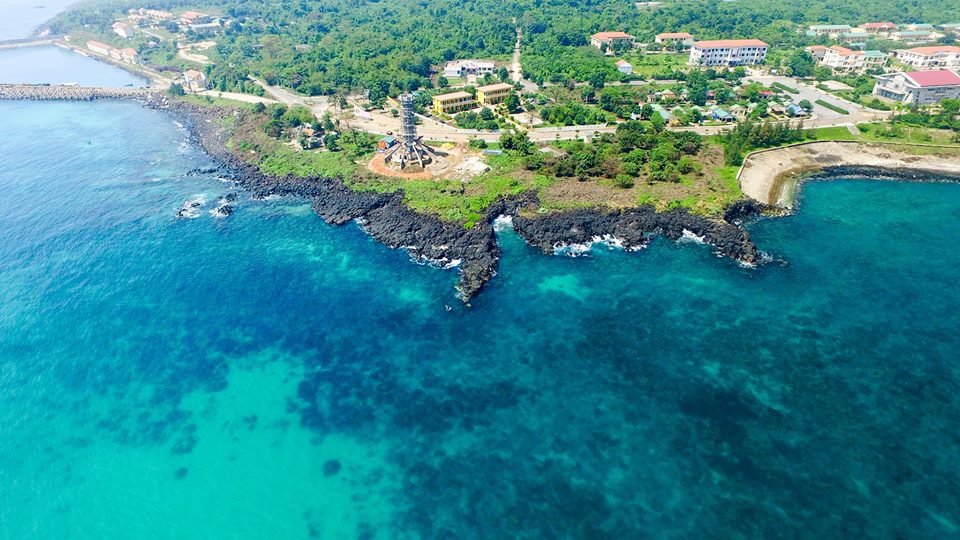
Today, Quang Tri is no longer just a place of war memories; it has become a symbol of peace, reconciliation, and learning. Many former battlefields have been transformed into spaces for reflection, where peace tourism projects encourage visitors to remember the past while embracing hope for the future. Veterans and international travelers alike often describe their visits as journeys of healing, where the landscape itself has shifted from destruction to renewal.
Explore Battlefields and Heritage in Quang Tri Vietnam
The province also attracts students, researchers, and historians who see it as a living classroom. Educational trips provide opportunities to study not only military strategies and historical events but also the resilience of local communities. Oral histories collected from villagers, along with visits to museums and memorials, give participants profound insights into the human dimension of war.
Equally important are the community-based cultural tourism initiatives that allow travelers to stay with local families. Sharing meals, listening to stories of survival, and participating in daily routines create a personal connection to Quang Tri’s past and present. These experiences transform history from something read in books into something felt and lived. Through such initiatives, Quang Tri has turned its legacy of conflict into a foundation for cultural pride, education, and meaningful cross-cultural exchange.
Conclusion- Quang Tri Vietnam
Exploring Quang Tri is not only about visiting battlefields and memorials—it is about experiencing how a community has turned pain into strength and remembrance into hope. Here, the remnants of war coexist with vibrant traditions, resilient village life, and a culture that honors the past while embracing peace and reconciliation. Whether walking through tunnels, attending a remembrance ceremony, or sharing stories with local families, travelers are invited to connect deeply with Vietnam’s history and spirit. Quang Tri stands as a gateway to the nation’s past, but also as a symbol of its enduring ability to heal, preserve, and inspire future generations.
Explore Battlefields and Heritage in Quang Tri Vietnam
Lira Networking is a specialized travel-booking provider for international visitors in Vietnam, offering a full range of tours across the country — from Hanoi, Hue, Da Nang, Hoi An to Nha Trang, Da Lat, and Phu Quoc. With a strong network of partners and a team of experienced experts, Lira Networking serves as a consultant, designer, and executor of unique and innovative travel experiences for domestic tourism brands.
In addition, we provide comprehensive tour consulting services for international travelers visiting Vietnam, ensuring every journey is well-organized, safe, and rich in authentic local culture. Lira Networking is committed to delivering high-quality trips, cost-optimized packages, and memorable experiences for every guest.
If you need consultation for short-term tours, long-term tours, individual packages, or group travel, please contact us for the fastest support:
📧 Email: liranetworking@outlook.com.vn
📌 Fanpage: Lira Networking