

Tin tức du lịch
Why Quang Tri Tourism Is a Gateway to Vietnam’s Past
Apr
Quang Tri Tourism: Quang Tri, located in central Vietnam, is often described as the nation’s living museum of war and peace. Once the epicenter of some of the fiercest battles during the Vietnam War, this province now stands as a poignant reminder of resilience, sacrifice, and reconciliation. From the underground networks of the Vinh Moc Tunnels to the solemn grounds of the Quang Tri Ancient Citadel, every landmark tells a story that shaped the destiny of a nation. Beyond its war relics, Quang Tri also offers a deep connection to cultural heritage, where temples, festivals, and local communities reflect how the province has healed and thrived after decades of hardship. For travelers seeking more than just scenic beauty, Quang Tri opens a gateway into Vietnam’s past while offering timeless lessons of strength and unity.
I. Key Historical Landmarks- Quang Tri Tourism
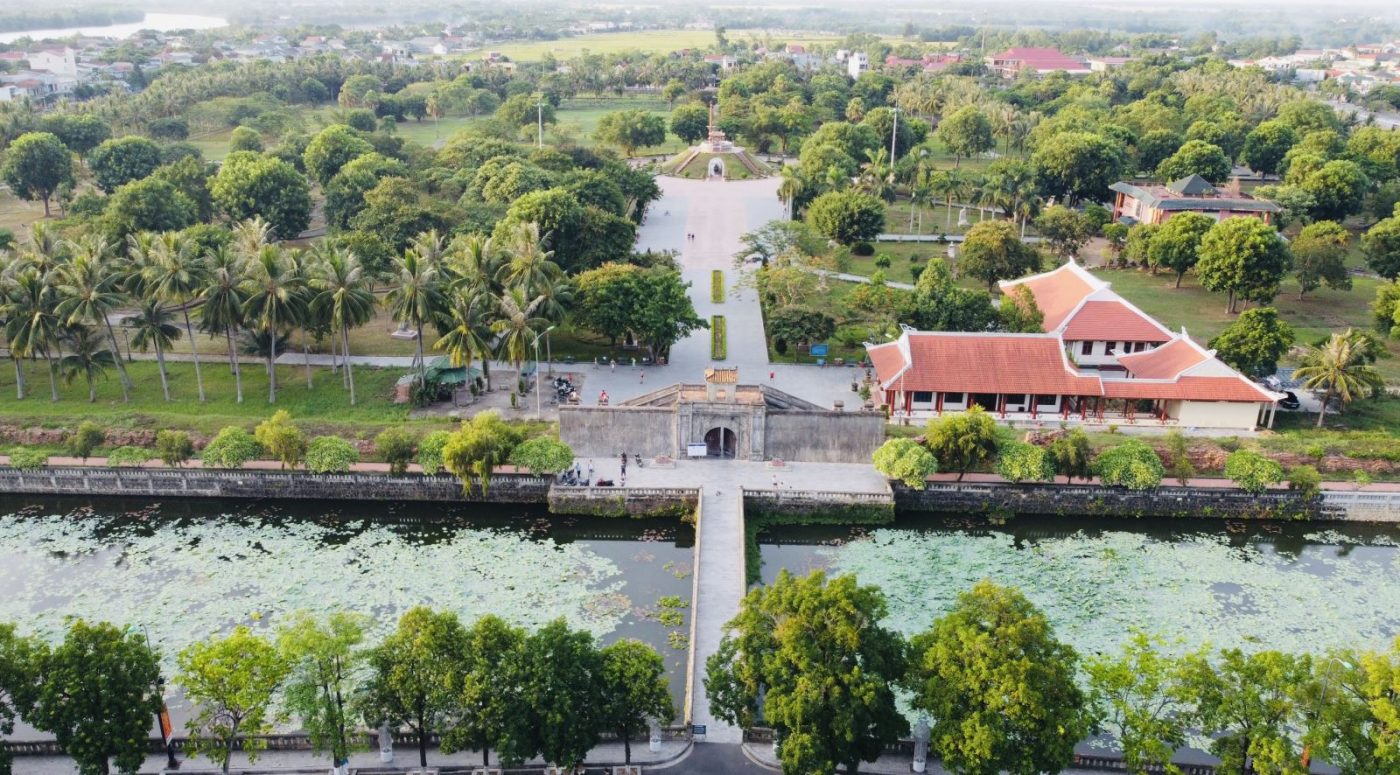
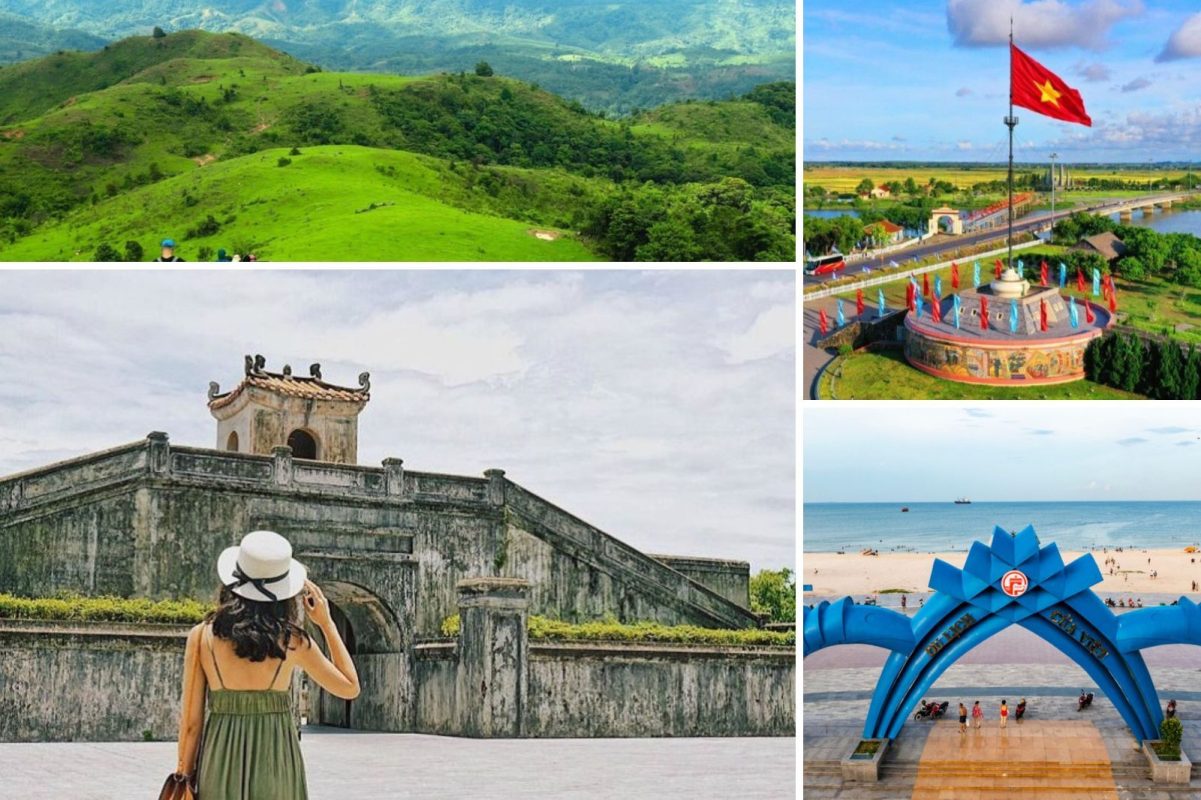
Quang Tri is home to some of the most significant historical landmarks in Vietnam, where stories of resilience and courage still echo today. Among them, the Vinh Moc Tunnels stand out as a remarkable underground network built by local villagers during the war. Stretching for kilometers beneath the earth, these tunnels provided shelter, living quarters, and supply routes, showcasing the extraordinary endurance of those who lived and fought here. Another vital site is the Khe Sanh Combat Base, once the scene of one of the fiercest battles of the Vietnam War. Today, the base functions as an open-air museum, displaying aircraft wrecks, bunkers, and remnants that allow visitors to step back into history. Completing this journey through the past are the Dong Ha Citadel and Quang Tri Ancient Citadel, both of which played pivotal roles in wartime conflicts. While once scarred by destruction, these sites now serve as solemn memorials and powerful symbols of remembrance, honoring the sacrifices made for peace and independence.
Why Quang Tri Tourism Is a Gateway to Vietnam’s Past
II. War Relics and Memorials- Quang Tri Tourism
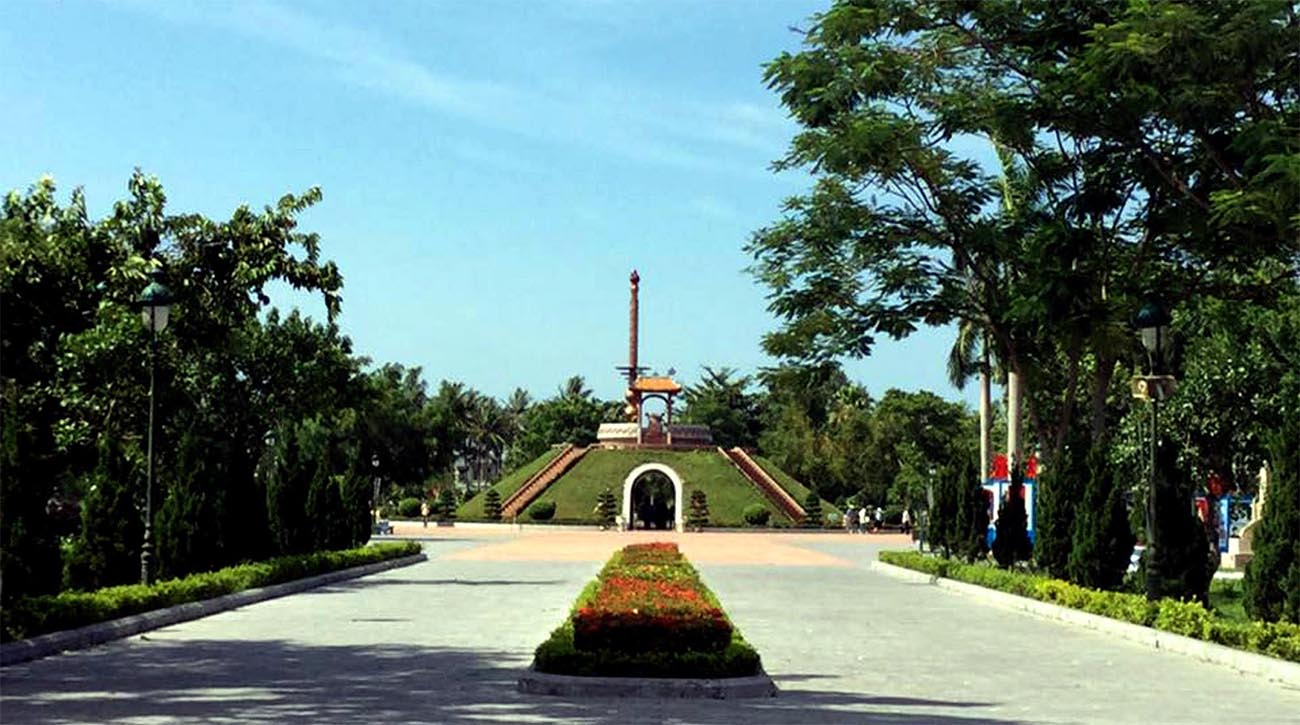
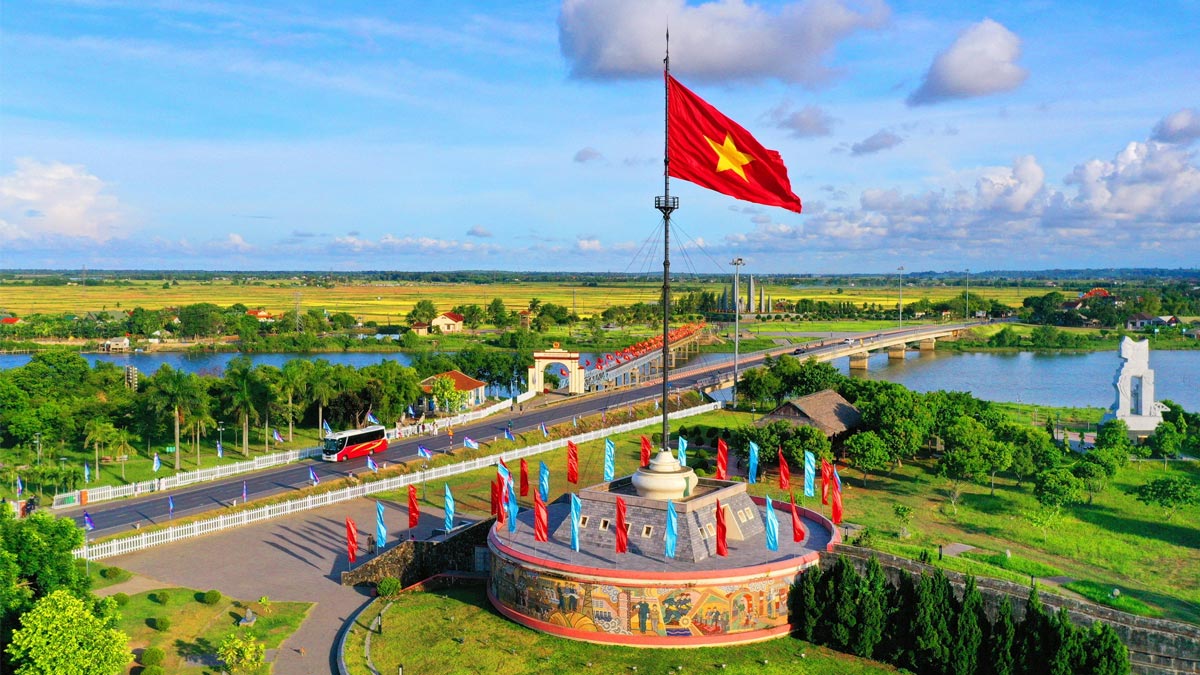
In addition to its battlefields, Quang Tri preserves an array of war relics and memorials that reflect the scars of division and the triumph of unity. The Ben Hai River and Hien Luong Bridge once marked the line separating North and South Vietnam during the country’s most turbulent years. Today, the bridge and its surrounding area stand as enduring symbols of national reunification and reconciliation. Visitors can also explore the Quang Tri Museum, which houses an impressive collection of artifacts, photographs, and wartime documents that vividly recount the struggles and resilience of the local people. Perhaps most moving of all are the cemeteries and memorial sites, such as the Quang Tri Citadel Memorial and the Truong Son National Cemetery, where tens of thousands of soldiers are laid to rest. These solemn sites not only honor the fallen but also invite travelers to reflect deeply on the heavy costs of war and the enduring value of peace.
Why Quang Tri Tourism Is a Gateway to Vietnam’s Past
III. Stories of Resilience and Survival
Beyond its monuments and battlefields, Quang Tri tells deeply human stories of endurance and survival. Life inside shelters and tunnel systems like Vinh Moc was a constant struggle, as entire families lived underground for months to escape relentless bombings. Visitors can imagine the courage required to cook meals, teach children, and maintain hope in such confined and dangerous spaces. Today, many locals share personal memories that bridge the past and present—stories of hardship, loss, and perseverance that give travelers profound insight into the resilience of the Vietnamese spirit. What makes Quang Tri remarkable is its transformation: once a land scarred by conflict, it has become a powerful symbol of reconciliation and healing. The province not only preserves its wartime history but also demonstrates how communities have rebuilt their lives in peace, turning tragedy into a testament of strength and unity.
Why Quang Tri Tourism Is a Gateway to Vietnam’s Past
IV. Cultural Heritage Connected to History
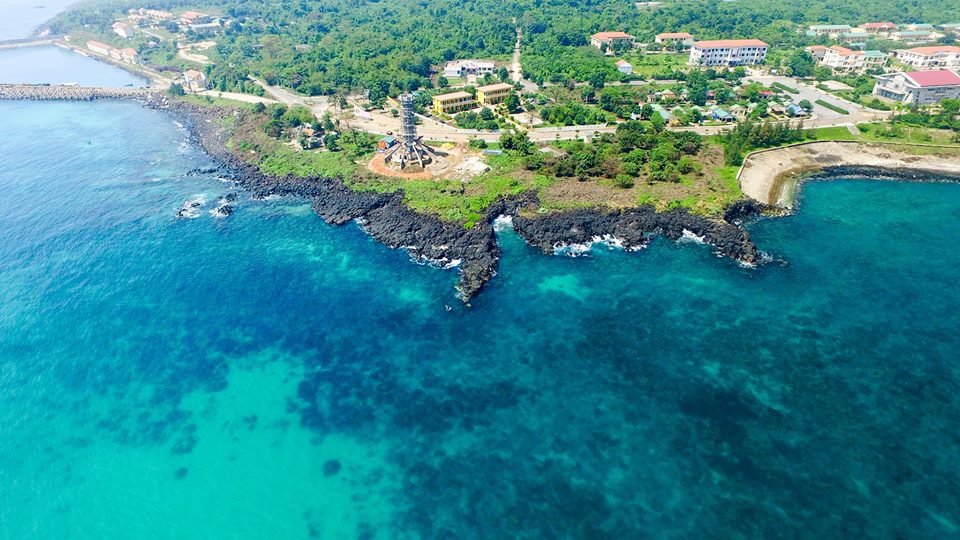
Quang Tri’s history is also deeply intertwined with its cultural and spiritual heritage, which continues to shape the lives of its people. Pagodas, temples, and shrines scattered across the province serve as places of remembrance and comfort, where locals honor ancestors and pray for peace. These sacred spaces often stand alongside war memorials, reinforcing the connection between spirituality and historical memory. Traditional festivals and memorial events are held throughout the year, allowing both residents and visitors to reflect on the sacrifices of the past while celebrating unity and resilience. At the heart of this cultural landscape are the local communities themselves, whose daily routines reflect a remarkable recovery from wartime scars. Through farming, fishing, and vibrant village life, the people of Quang Tri embody a living heritage that blends remembrance with renewal, offering travelers not only historical lessons but also an inspiring cultural experience.
Why Quang Tri Tourism Is a Gateway to Vietnam’s Past
V. Modern Remembrance Tourism
Quang Tri has embraced its past not only as a reminder of hardship but also as an opportunity to educate and inspire future generations. Historical tours are carefully designed to provide travelers with in-depth insights, often guided by knowledgeable experts who bring stories of the war to life with context and compassion. These experiences allow visitors to stand on former battlefields, walk through tunnel systems, and reflect at memorials with a deeper understanding of their significance. Educational trips are especially meaningful, attracting students, researchers, and history enthusiasts from around the world who seek to learn firsthand about the Vietnam War and its global impact. Beyond education, Quang Tri is also a place of healing. Peace and reconciliation initiatives have transformed war sites into spaces of reflection, where visitors are encouraged to look beyond conflict and embrace messages of unity and hope. Through remembrance tourism, Quang Tri honors the past while offering lessons of resilience and peace for the future.
Why Quang Tri Tourism Is a Gateway to Vietnam’s Past
VI. Practical Travel Tips
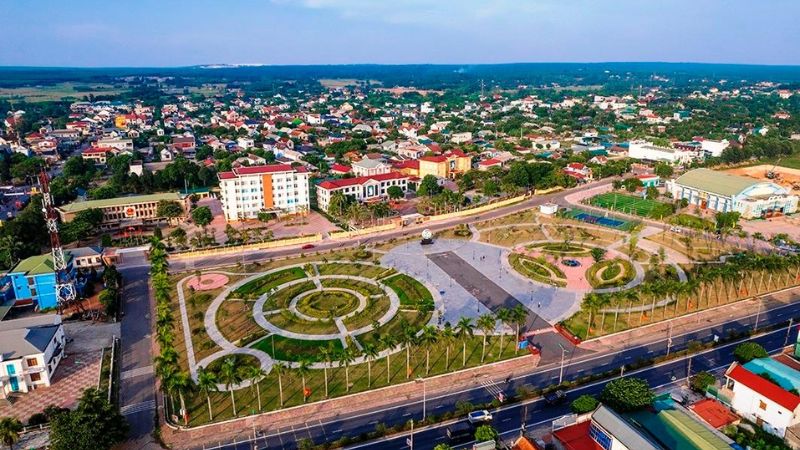
For travelers planning a journey to Quang Tri, timing and preparation are essential to make the most of the experience. The best seasons to visit are spring and autumn, when the weather is pleasant and many memorial events take place, adding cultural depth to the trip. Transportation is relatively convenient, with buses, trains, and private cars connecting Quang Tri to nearby cities such as Hue, Da Nang, and even Hanoi, making it an accessible destination for both short and extended stays. A suggested itinerary often begins with visits to the province’s key historical landmarks—including the Vinh Moc Tunnels, Khe Sanh Combat Base, and the Quang Tri Ancient Citadel—before transitioning to cultural experiences in local villages, temples, and markets. This balance allows travelers to immerse themselves not only in the stories of the past but also in the vibrant life of the present. Whether joining guided tours for expert insight or exploring independently for a more personal connection, visitors can expect a journey that is both moving and memorable.
Conclusion
Exploring Quang Tri is more than a historical journey—it is an emotional and educational experience that bridges the past with the present. Every site, from the Ben Hai River and Hien Luong Bridge to the vast cemeteries and memorials, reminds visitors of the cost of war while celebrating the spirit of peace and reconciliation. At the same time, cultural traditions and everyday life reveal how the province has transformed into a land of hope and renewal. By walking through its tunnels, standing on its battlefields, and engaging with its people, travelers not only learn about Vietnam’s history but also witness its resilience firsthand. Quang Tri tourism, therefore, is not just about remembrance; it is an invitation to reflect, honor, and be inspired by the enduring human spirit.
Why Quang Tri Tourism Is a Gateway to Vietnam’s Past
Lira Networking is a specialized travel-booking provider for international visitors in Vietnam, offering a full range of tours across the country — from Hanoi, Hue, Da Nang, Hoi An to Nha Trang, Da Lat, and Phu Quoc. With a strong network of partners and a team of experienced experts, Lira Networking serves as a consultant, designer, and executor of unique and innovative travel experiences for domestic tourism brands.
In addition, we provide comprehensive tour consulting services for international travelers visiting Vietnam, ensuring every journey is well-organized, safe, and rich in authentic local culture. Lira Networking is committed to delivering high-quality trips, cost-optimized packages, and memorable experiences for every guest.
If you need consultation for short-term tours, long-term tours, individual packages, or group travel, please contact us for the fastest support:
📧 Email: liranetworking@outlook.com.vn
📌 Fanpage: Lira Networking
