
Tin tức du lịch
Why Quang Nam Tourism Blends History and Nature
Apr
Quang Nam Tourism: Quang Nam, located in Central Vietnam, is a destination where history and nature are inseparably intertwined. From ancient temple complexes hidden in tropical forests to lantern-lit streets preserved along riverbanks, the region demonstrates how natural landscapes have shaped cultural development over centuries. Travelers who come here are not only stepping into historical sites but also immersing themselves in the environments that gave rise to these traditions. Quang Nam’s tourism is unique because it allows visitors to understand history through nature—and nature through history—creating an experience that is both educational and inspiring.
I. Nature Shapes Historical Development- Quang Nam Tourism
Historical settlements and temples in Quang Nam were often established near rivers, fertile plains, or strategic hills, demonstrating the profound influence of natural landscapes on human history. The positioning of these sites was never random—rivers provided water for agriculture, fertile land supported growing communities, and hills or mountains offered natural protection against potential threats.
Why Quang Nam Tourism Blends History and Nature
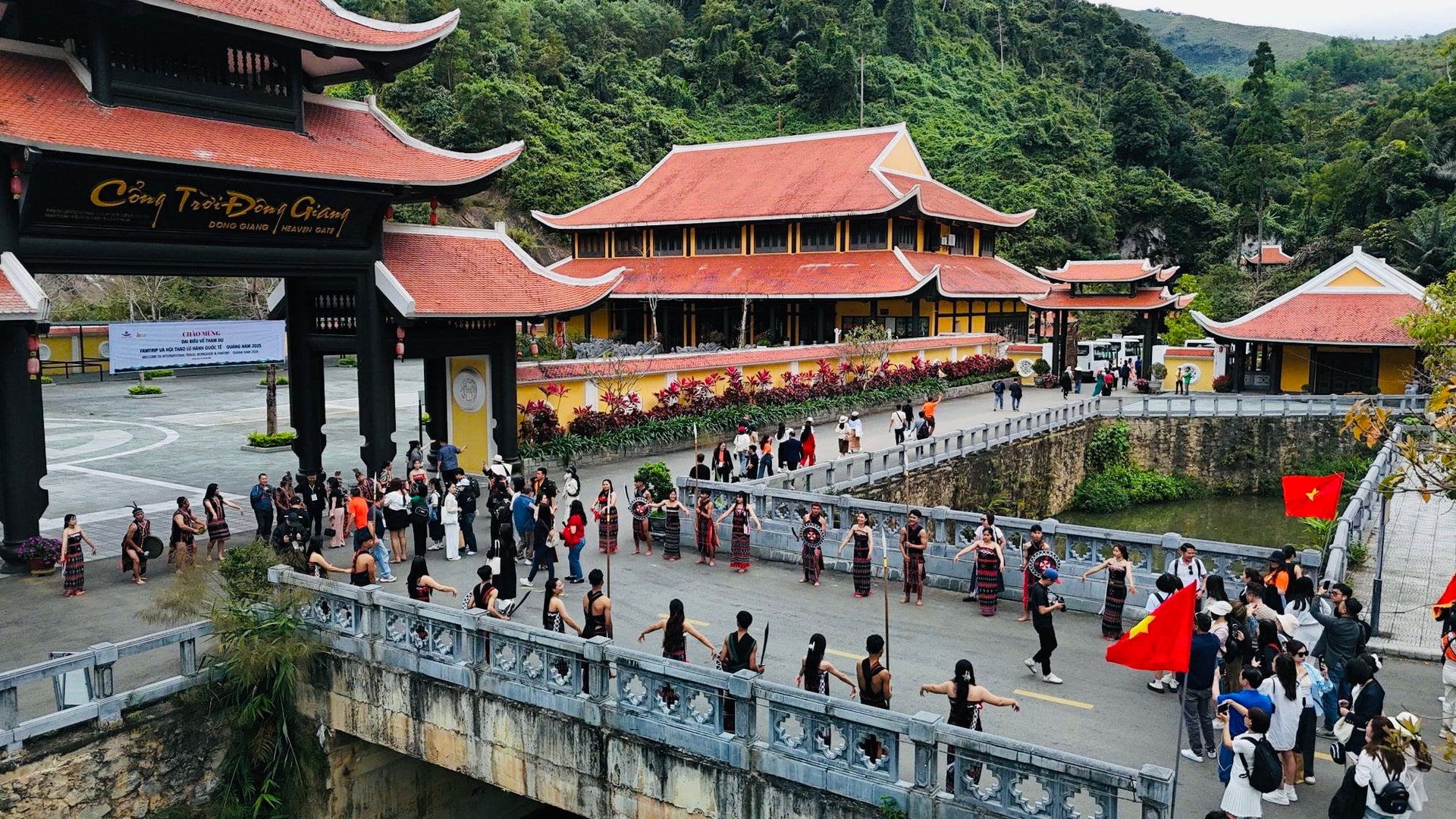
A prime example is My Son Sanctuary, which is nestled amid dense forests and rugged terrain. This secluded location not only offered physical protection for the Cham temples but also created a spiritual atmosphere ideal for religious and ceremonial purposes. Visitors who explore My Son today can sense the strategic and spiritual reasons behind its placement, gaining a deeper appreciation for how natural geography shaped historical decisions.
By experiencing historical sites in their original natural settings, travelers can understand why history unfolded the way it did. The combination of environment and heritage allows for a richer, more immersive journey that connects the past with the land itself.
II. Environmental Factors Preserve Heritage- Quang Nam Tourism
Natural landscapes around Quang Nam’s historical sites serve as crucial buffers against urban development, pollution, and environmental degradation, helping to maintain their historical authenticity. Forests, rivers, and mountains act as protective barriers that preserve ruins and ancient towns from the encroachment of modern life.
This preservation allows visitors to experience historical sites in a setting that closely resembles their original context, making the past feel tangible and alive. Walking among temples, ancient streets, or village ruins framed by natural landscapes, travelers can visualize how people once lived, worked, and worshipped. In this way, nature not only enhances the aesthetic beauty of heritage sites but also safeguards their historical significance for future generations.
III. Outdoor Exploration Enhances Historical Engagement
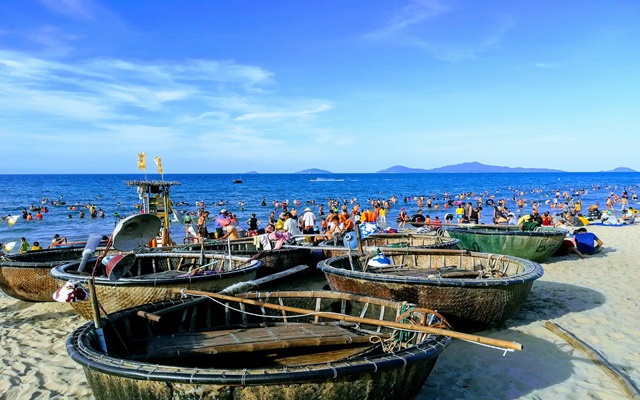
Engaging with Quang Nam’s historical sites through trekking, river kayaking, and cycling offers travelers a unique opportunity to physically navigate the same routes that ancient communities once used. These activities allow visitors to traverse rural landscapes, forested paths, and riversides, bringing them closer to the daily environment and challenges faced by past inhabitants.
Why Quang Nam Tourism Blends History and Nature
Experiencing the terrain and climate first-hand provides valuable insight into historical lifestyles, agricultural practices, and settlement strategies. For example, cycling along narrow village roads or trekking through forested areas near temple sites enables travelers to understand the effort and ingenuity required to thrive in these environments. This form of active exploration transforms a historical visit from passive observation into an immersive learning experience, where the connection between natural surroundings and human history becomes immediately apparent.
IV. Natural Inspiration for Cultural Expression- Quang Nam Tourism
Quang Nam’s natural landscapes have profoundly influenced its cultural expressions, from traditional crafts and architecture to festivals and communal activities. Local artisans often draw inspiration directly from their surroundings, creating patterns, designs, and structures that reflect the contours of rivers, the shapes of mountains, or the rhythm of seasonal cycles.
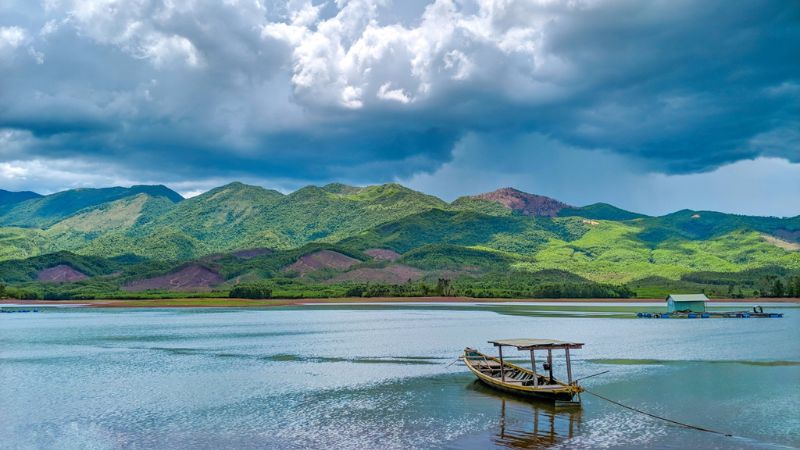
For instance, weaving patterns in local textiles often mirror the stepped shapes of rice terraces, while lantern festivals along rivers are designed to flow harmoniously with the currents, creating a visual celebration that fuses cultural creativity with natural elements. In this way, nature does more than preserve heritage—it actively shapes the artistic and cultural identity of the region. Travelers who witness these traditions in situ can see how the environment and human creativity are intertwined, deepening their appreciation for Quang Nam’s unique blend of history and nature.
V. Culinary Traditions Reflect the Environment
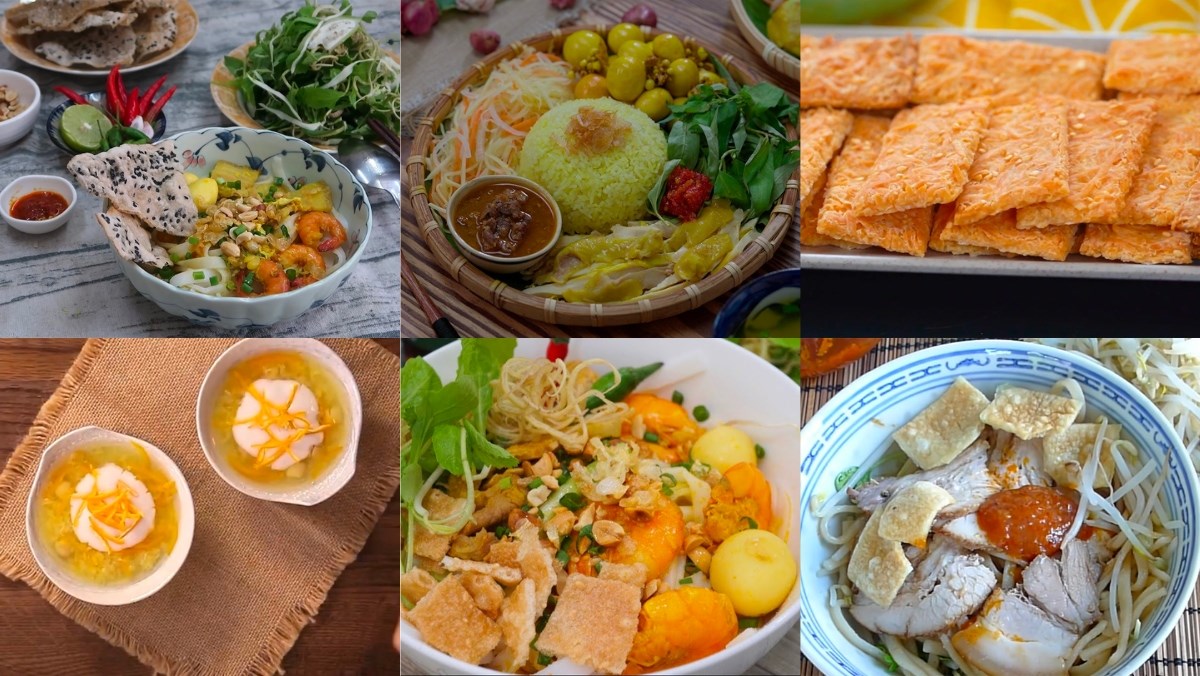
Culinary traditions in Quang Nam are a vivid example of how nature shapes cultural identity. Local dishes often rely on seasonal, locally sourced ingredients such as fresh herbs, river fish, rice, and regional vegetables. This dependence on nearby resources illustrates how communities historically adapted their diets to what the land and rivers provided. Food, in this sense, becomes not only nourishment but also a living record of how people sustained themselves in harmony with their environment.
For travelers, experiences like cooking classes and farm visits provide more than just a taste of local cuisine. They reveal the direct link between the landscape, its natural bounty, and the region’s cultural development. By harvesting ingredients from village gardens or learning to cook traditional recipes, visitors gain insight into how natural conditions have shaped both everyday life and culinary creativity. Food thus serves as a bridge connecting the natural environment with historical practices, making gastronomy an essential part of exploring Quang Nam’s history-nature blend.
VI. Modern Tourism Reinforces History-Nature Connection
Today, Quang Nam’s tourism strategies emphasize the integration of natural exploration with cultural education. Eco-tours through rice fields, heritage hikes to temple complexes, and community-based homestay programs all encourage travelers to experience the region’s landscapes while learning about its history. These activities highlight how mountains, rivers, and forests have continuously influenced the lives and traditions of local communities.
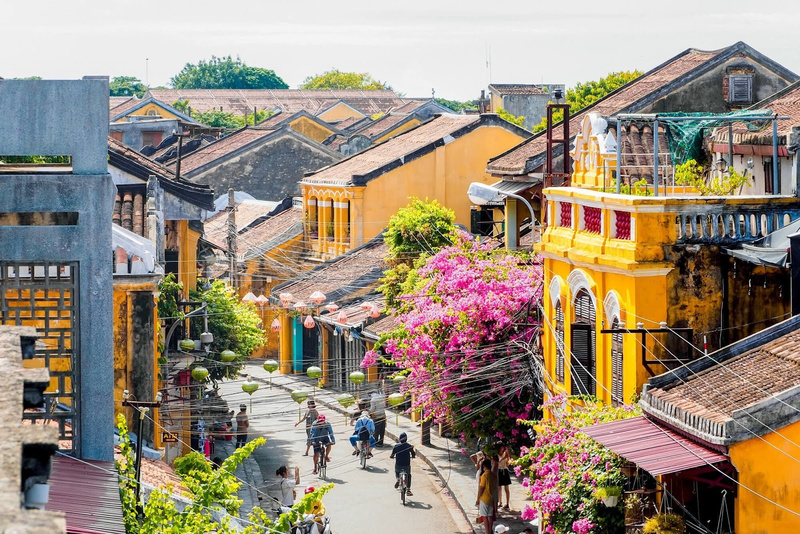
Why Quang Nam Tourism Blends History and Nature
This thoughtful approach to tourism also ensures that preservation remains at the forefront. By designing tours that minimize environmental impact and promote cultural respect, Quang Nam enables visitors to deepen their understanding of the history-nature relationship without compromising its authenticity. In this way, modern tourism becomes more than leisure—it acts as a tool for conservation and cultural appreciation, reinforcing the inseparable bond between the natural world and historical heritage.
VII. Practical Travel Tips- Quang Nam Tourism
For travelers planning to explore Quang Nam’s blend of history and nature, timing is an important factor. The best seasons to visit are during the dry months, typically from February to August, when the weather is more favorable for trekking, cycling, and outdoor exploration of historical sites. This period also coincides with many local festivals, offering opportunities to experience cultural celebrations alongside natural adventures.
To navigate the region safely and comfortably, visitors should bring appropriate gear such as sturdy trekking shoes for uneven trails, lightweight clothing for warm days, and rain protection during transitional months. Those exploring rivers or coastlines will benefit from booking river tours, boat rides, or guided hiking paths, which not only enhance safety but also provide deeper cultural and environmental context from local experts.
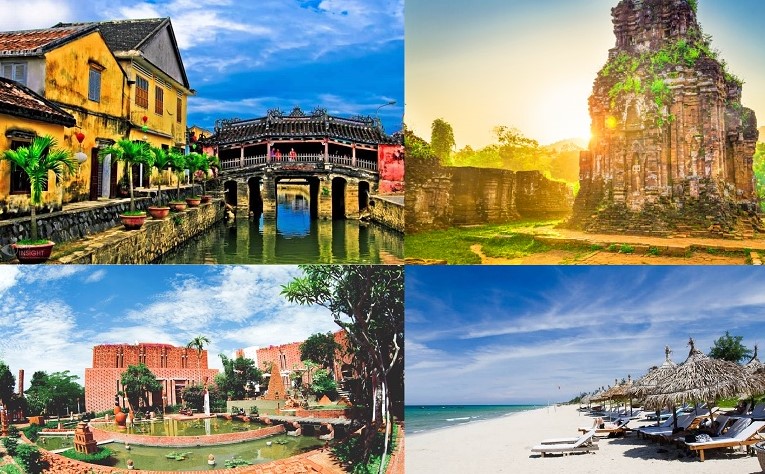
Why Quang Nam Tourism Blends History and Nature
Equally important is respecting the cultural and natural heritage of Quang Nam. Visitors are encouraged to observe local etiquette, such as dressing modestly at temples, asking permission before photographing residents, and avoiding damage or litter at natural sites. By following these practices, travelers can ensure their journeys are enriching, respectful, and sustainable—preserving Quang Nam’s unique harmony of history and nature for future generations.
Conclusion
Quang Nam proves that history is not confined to books or monuments; it lives within the rivers, mountains, forests, and villages that have nurtured human life for generations. By exploring its ancient towns, sacred temples, rural landscapes, and culinary traditions, travelers gain insight into how deeply connected people are to their natural surroundings. Modern tourism in Quang Nam reinforces this bond by blending eco-adventures with cultural experiences, ensuring that preservation and education go hand in hand. For anyone seeking a journey that goes beyond sightseeing, Quang Nam offers a rare chance to witness how heritage and nature coexist in harmony, leaving unforgettable lessons about the past, present, and future.
Why Quang Nam Tourism Blends History and Nature
Lira Networking is a specialized travel-booking provider for international visitors in Vietnam, offering a full range of tours across the country — from Hanoi, Hue, Da Nang, Hoi An to Nha Trang, Da Lat, and Phu Quoc. With a strong network of partners and a team of experienced experts, Lira Networking serves as a consultant, designer, and executor of unique and innovative travel experiences for domestic tourism brands.
In addition, we provide comprehensive tour consulting services for international travelers visiting Vietnam, ensuring every journey is well-organized, safe, and rich in authentic local culture. Lira Networking is committed to delivering high-quality trips, cost-optimized packages, and memorable experiences for every guest.
If you need consultation for short-term tours, long-term tours, individual packages, or group travel, please contact us for the fastest support:
📧 Email: liranetworking@outlook.com.vn
📌 Fanpage: Lira Networking